
How a System with Terrible Odds Keeps Attracting Smart, Ambitious People (And Discarding Most of Them)
Box Cutter Co. Free Issue No. 94

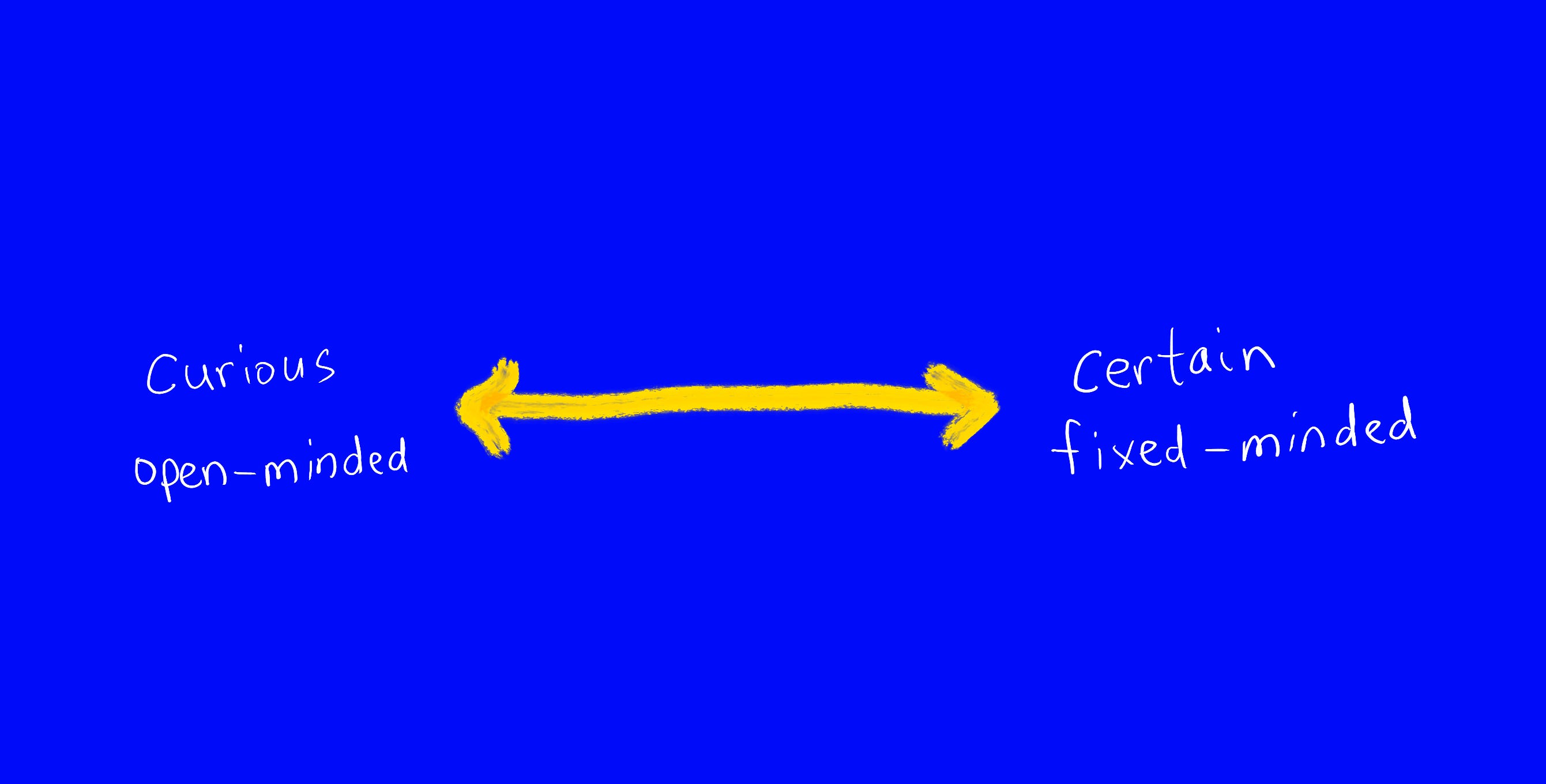
The outcomes are the outcomes.
(And most people refuse to accept this reality early enough)
Most people enter ‘The Creator Economy’ and stubbornly reject the long-odds system, and vehemently ignore the most likely outcomes.
Which is … a slow, unglamorous creative life with limited visibility and modest to low financial returns. Added to this, you will experience:
Optionality instead of certainty
Limited visibility relative to effort
No moment where it all ‘clicks’ publicly
Slow, uneven progress without clean take-off points
Meaning and skill accumulation that outsiders won’t see
Supplemental modest income, far below what hustle culture promotes
These sorts of outcomes are what break the majority of creative types seeking quick financial riches. It’s not laziness, nor lack of talent, nor even insufficient hustle.
It’s misaligned consent — with oneself.
This is clearly not a post about how to gain 10,000 Substack followers.
Or… how to earn more subscribers.
Or… how to cold DM more people earn your riches.
If you’re looking for that, this is not the place. ; )
The Simple Math Nobody Wants to Sit With
Last year, over 70% of creators earned less than $49K.
In 2025, the top 10% captured 62% of all creator payments. Within that group, the top 1% alone captured 21% of payments. Which means the remaining 90% of creators share the other 38%.
If you are a creative-type looking for success (and payouts) in The Creator Economy, ponder those numbers. (And recognize these gaps are growing annually)
If these stats feel unacceptable, uncomfortable, and raise uncertainty, then your creative work and enterprises will most likely eventually feel unbearable (if you’re in it just for the money).
This isn’t pessimism. It’s math.
How do other long-odds systems handle reality without breaking people?
I grew up off the west coast of Canada. Like so many youth, I obsessed over hockey. We lived on islands off the Pacific northwest coast and, unfortunately, had no ice rink. However, this didn’t stop us from loving one of our country’s national obsessions.
In Canada, there are huge numbers of kids, especially young boys (and their parents), who dream of making it big and playing in the National Hockey League (NHL).
This is similar to many other nations around the world and their national sporting obsessions (soccer/football, rugby, cricket, swimming, baseball, basketball, etc.). Many a child dreams of becoming like their national sporting heros.
In Canada, some estimates suggest 1 in 4,000 kids who play hockey will ever reach a pension-level NHL career. Every year, over 600,000 kids play hockey in Canada.
Parents know these long odds. Kids learn it quickly. And yet—rinks (inside and outside) are full every winter. This paradox matters.
Hockey never promises elite professional outcomes as a default for youth. It never even pretends the NHL is even close to the median case. There are also no slick marketers running around trying to recruit parents and kids into hockey with stories of big payouts.
The system is pretty darn honest early. And any parent or kid not prepared for the ruthlessness of making elite teams… learns how to navigate disappointment quickly.
And because the terms and odds are pretty darn upfront, people stay and continue playing hockey — many for a lifetime.
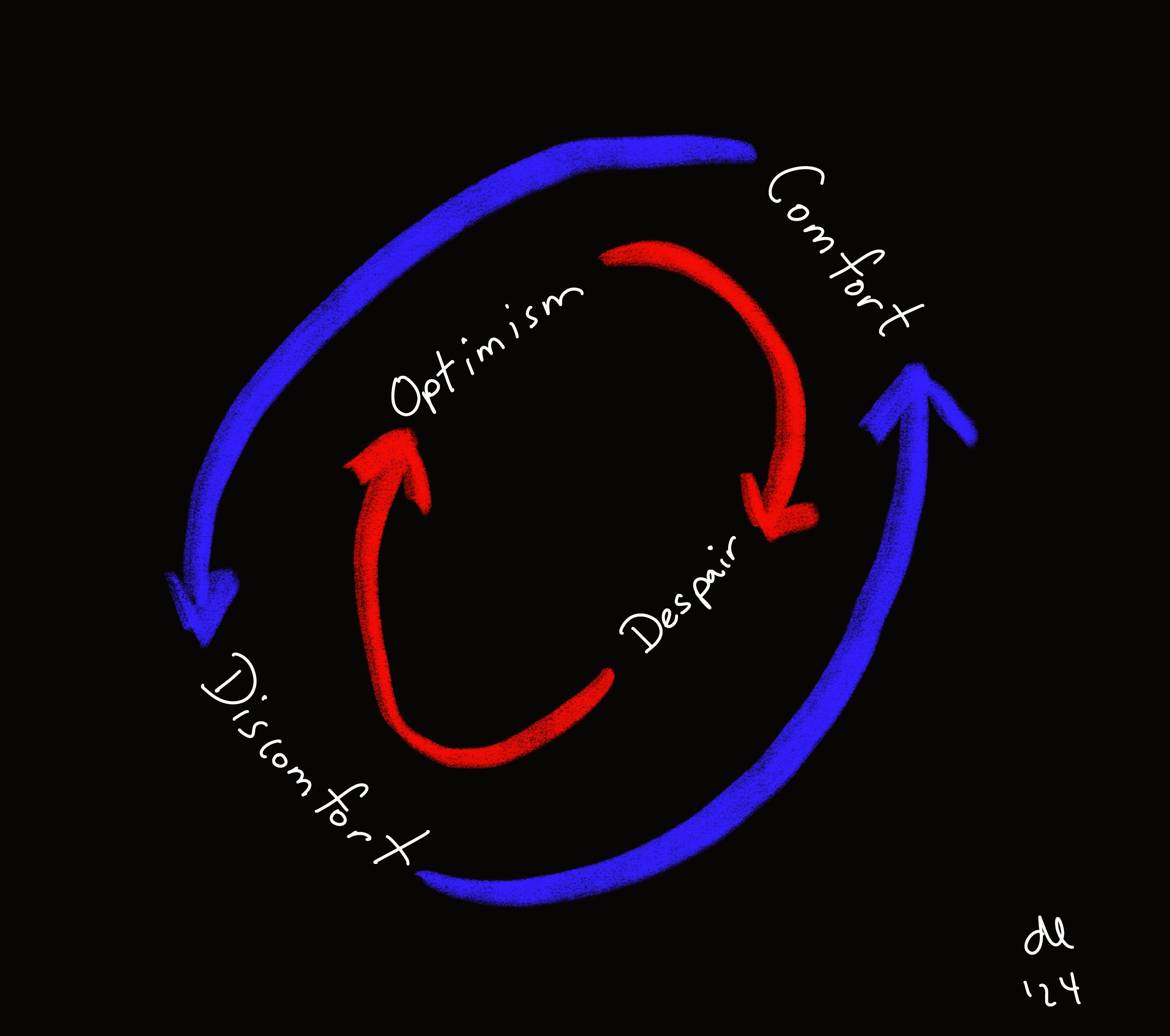
Kids don’t keep playing hockey because elite paycheques are plausible.
Kids who eventually become adults keep playing because the game pays them immediately—in non-monetary terms.
identity
belonging
community
competence
rhythm and structure
mastery (matched with abilities)
The game, the act of, the process, etc. … deliver value long before some outcomes are known.
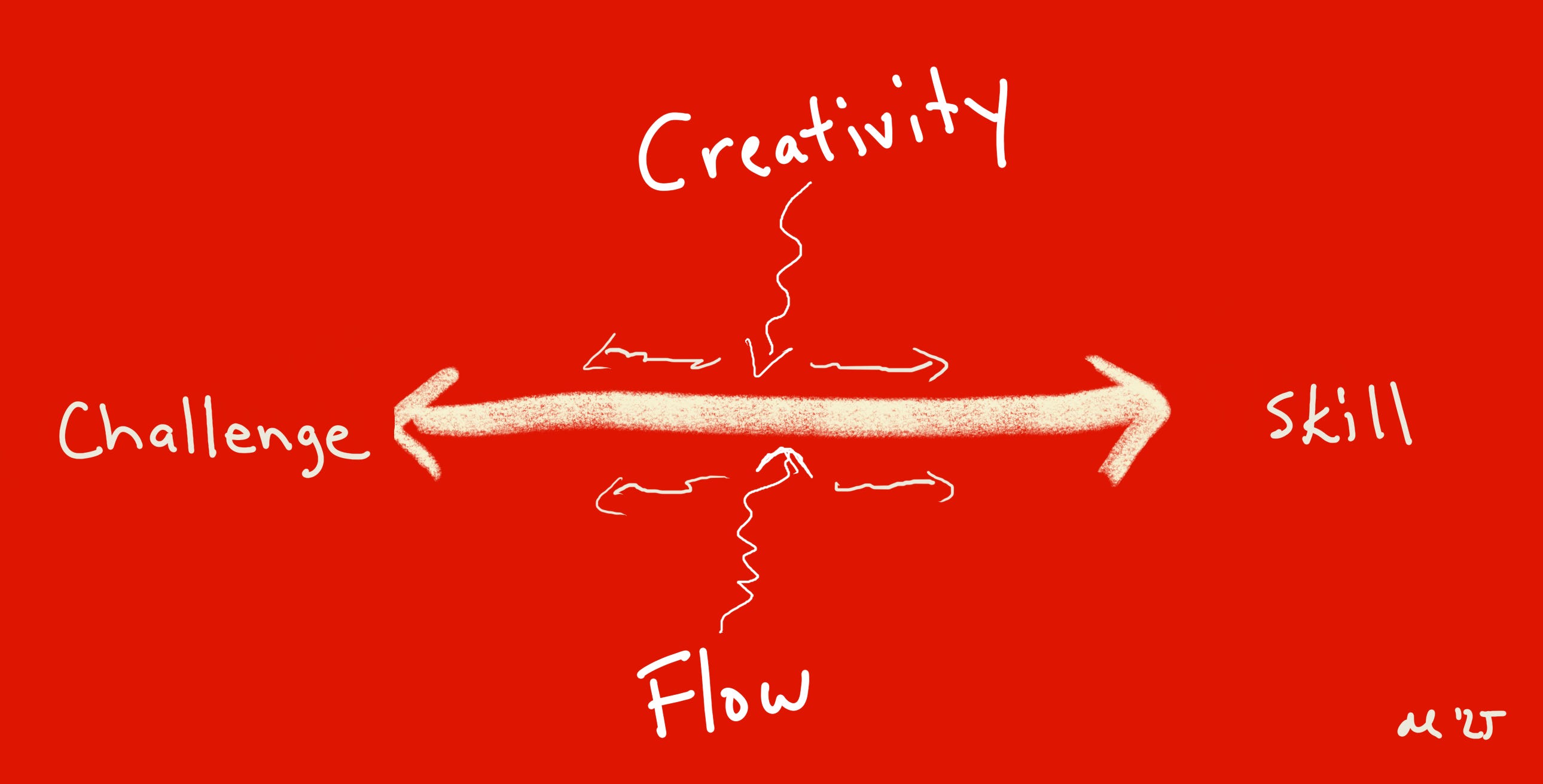
However, The Creator Economy flips this logic and I’ve watched many get seduced, so as to ignore the odds. People enter creative work expecting professional-athlete outcomes from day one:
Financial freedom
Escape velocity
Recognition
But the actual, real numbers say something else:
Income concentrates sharply at the top
Most creators never reach a stable living wage
The median case is modest, slow, and unglamorous
That doesn’t mean the system is broken. It means the bargain was probably misunderstood (or ignored).
As Eddie Yoon, part of Category Pirates 🏴☠️ said in a LinkedIn post this past week 👇
“The outcomes are the outcomes.”
If you are an up-start looking to “The Creator Economy” or even seasoned… it may be critical to ensure the damage doesn’t start immediately, because you refuse to look at the odds (and outcomes) early enough.
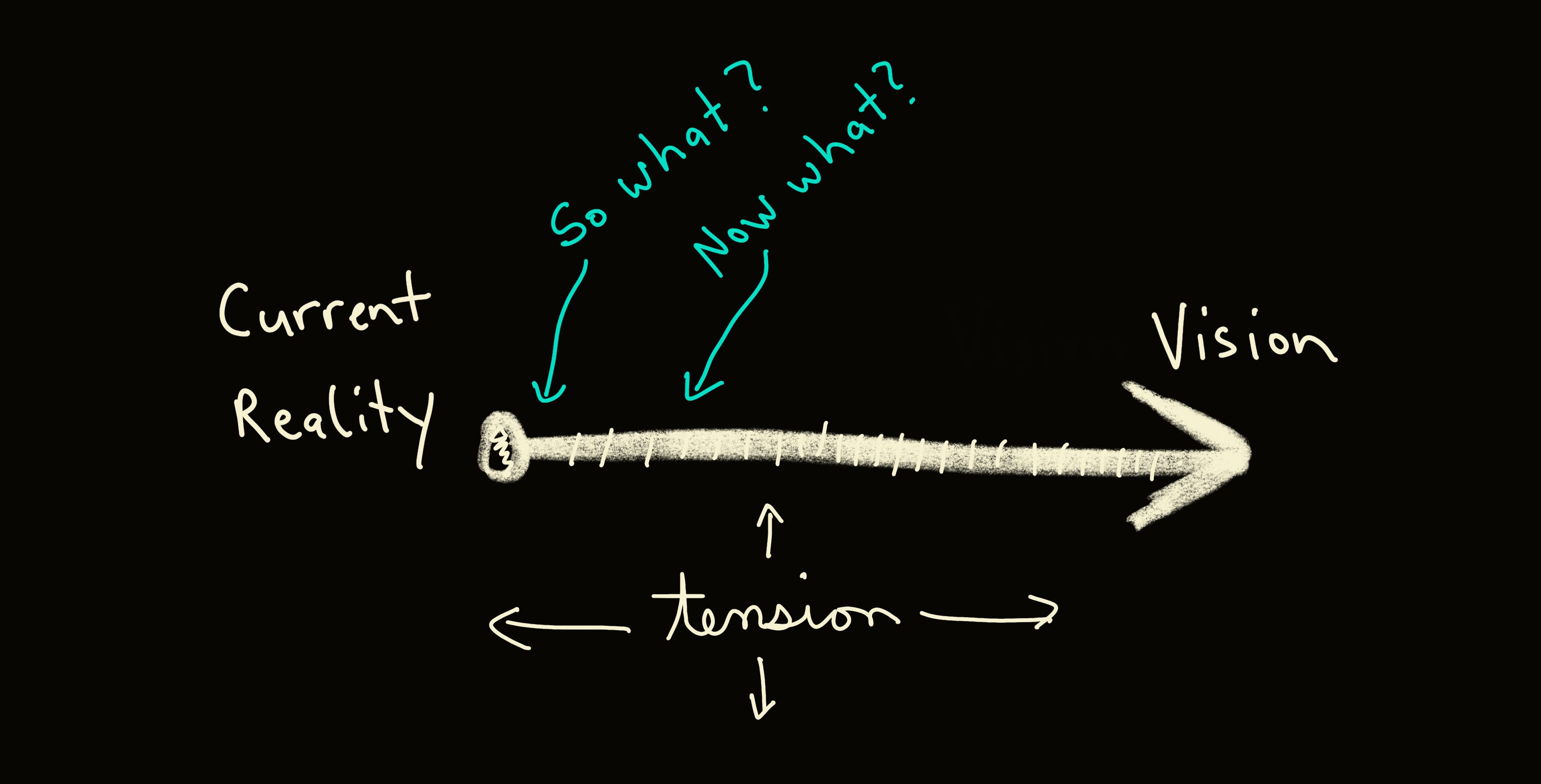
Why Smart Creative Suffer More
Smart, creative types entering and even active in The Creator Economy don’t fizzle and fail because they’re naïve. For many, they refuse to accept the math, or… ignore it, or try to outrun it.
“Not me! I’m special!! I’m the outlier! ”
In youth sports, kids who realize they won’t go pro don’t automatically quit. They adjust. They play differently. They extract different rewards and outcomes.
Sure, some quit; however, consider all the other sports that youth engage in. I’ve coached many, including: Volleyball, track and field, freestyle skiing, alpine skiing, softball, floor hockey, basketball, and more.
These don’t promise riches as an outcome. Sure, a few might earn a university or college scholarship, but those odds are low, too. People participate in sports because of a lifetime worth of outcomes (that are rarely financial).
Actually, in many cases, many people continue to pay to participate in athletic activities. Cycling, skiing, running, and so on. (I do, too.)
Too Many Creatives Don’t Make Expectation Adjustments
Long-odds systems require adaptation (from the start). But for whatever reason, most creatives refuse it. And, in the over 3 years I’ve been playing in this particular Creator Economy arena, I see it repeatedly.
The breaking point is when people come to terms with the odds, look at them deeper, but then, rather than changing how they play or shifting expectations, many disappear.
Here on various platforms posting away one day — repeating the same content-less content: “be consistent” … “add value” … “niche down” … and so on, and so on — then gone. Poof.
Expectation management (and adjustment) is critical work in developing creative maturity. Yet, so many people skip it.
What should be a recalibration moment becomes a stress-and-panic response. And that’s when things unravel.
Once thoughtful, smart people more regularly notice:
income concentrating upward (for just a small # of creators)
timelines stretching longer
effort outpacing returns
They panic.
And, then instead of recalibrating expectations, they:
change their “niche”
follow louder advice
chase another latest trend
copy successful campaigns
buy another course from a top earner
accelerate output (following the likes of Gary V, Hormozi, and others)
This feels strategic and useful. It feels like “I’m doing something.”
Yet, it’s often avoidance, stress-induced, panic-laced — and directly connected to managing expectations, and understanding odds.
Many are trying to escape the median outcomes (be that special one) instead of deciding how they might live within the odds. These tensions, and heightened emotions, begin to corrode the process; the creative work, then:
Originality fades
Judgment falters
Endurance fizzles
Then the inevitable burnout, which isn’t generally a discipline problem. It’s what happens when expectations reject reality and realistic outcomes.
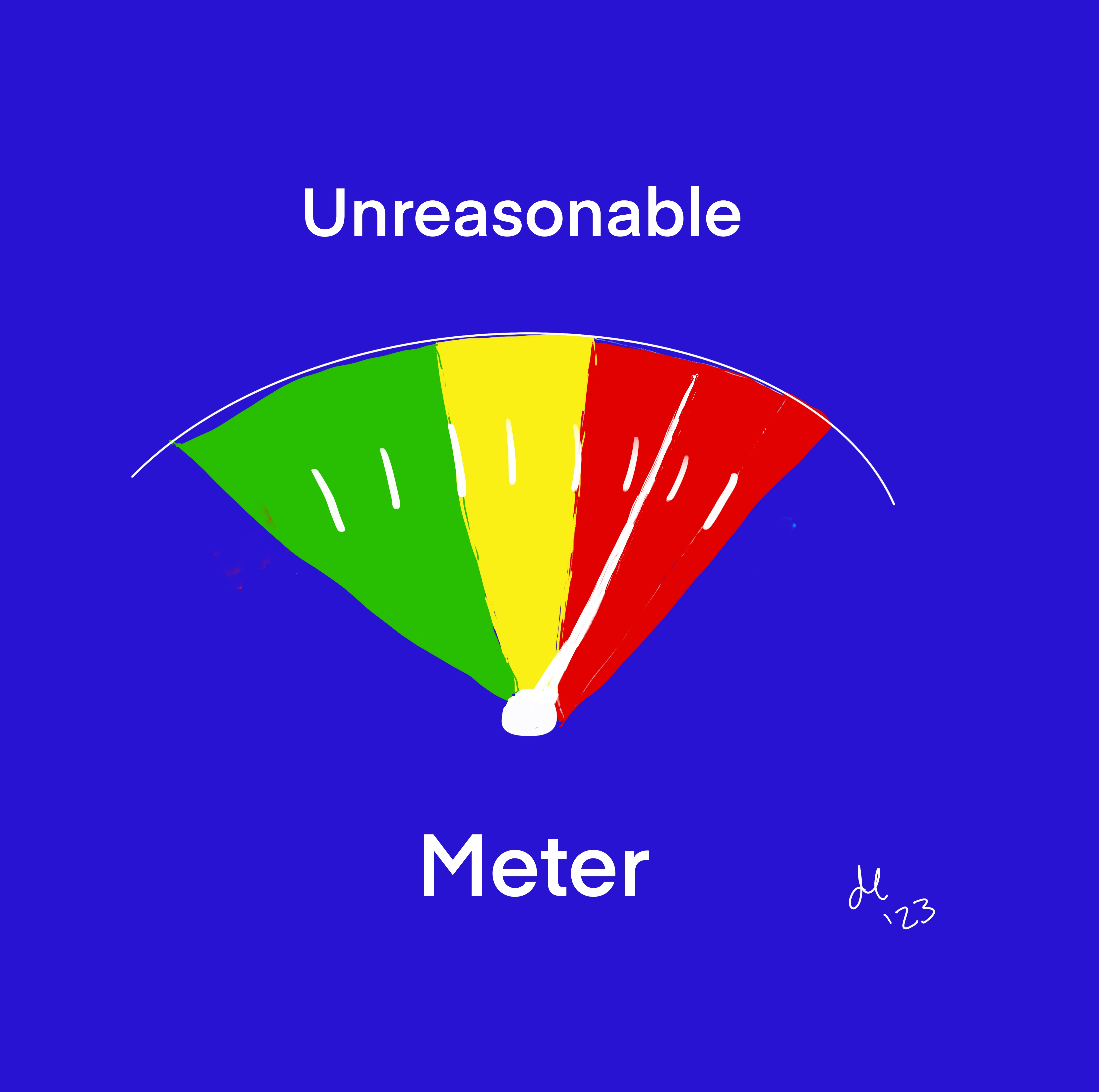
A Mindset to Maneuver Long Odds
Many sports get something right. They don’t sell financial certainty (even though a small few earn it). They sell process, mastery, participation.
Most kids play hockey, knowing the NHL is unlikely. Dreams are great, but reality is real. Kids who become adults stay because the process pays them anyway.
Does your creative work operate by a similar standard?
Before you publish, monetize, or look to “build an audience,” consider developing informed consent with yourself.
Does the process itself pay me?
What is my most likely outcome?
Can I live inside that outcome?
Would I keep going without validation?
This isn’t about lowering ambition or not aiming high. It’s more about choosing work whose median outcome is tolerable. Because when the odds are long, one must have a mindset to navigate things, such as:
Patience beats hustle
Systems beat fantasies
Endurance beats intensity
In my many, many years of publishing online, creative work, and Box Cutter-like approaches, I often use the old Mike Tyson (former world champ boxer):
“Everyone has a plan until they get punched in the mouth.”
Participating in The Creator Economy? Building a creative business?
Make sure you know the odds before setting your expectations.
A Box Cutter Co. Lagging Reward Rule
Creative work and systems survive when money is a lagging reward—not the expected early entry outcome.
Hockey (and most sports) would collapse overnight if kids only stayed if money was an early outcome expectation. The Creator Economy ruthlessly collapses and forces people out, for exactly that reason.
If you wouldn’t do the work knowing the odds, don’t pretend discipline, or the latest ‘get more followers’ strategy, or the newest Creator course, or the newest AI Tool, will save you later.
The odds are the odds. The outcomes are the outcomes.
Your agency in creative work lives in whether you accept them, build expectations around them, and manage mindset, before the simple math shapes you.
That’s the difference between creative longevity and endurance versus fizzle and collapse.
If you haven’t seen this Free 5-day email course before, it may assist. No catch, no spam. Simply sharing what I’ve learned along the way.

Simply enter your email at the link. Receive an email each day for 5 days. Let me know what you think of it.
If you’re on LinkedIn, I recently added Box Cutter Co. as its own organization page, and I’ve added D. Loewen Strategy Co. (it’s already up to almost 100 Followers in just a few weeks).