
What Birdwatchers Know About The Creator Economy (That Most Creatives Keep Missing)
The Soulpreneur Series Free Issue No. 33

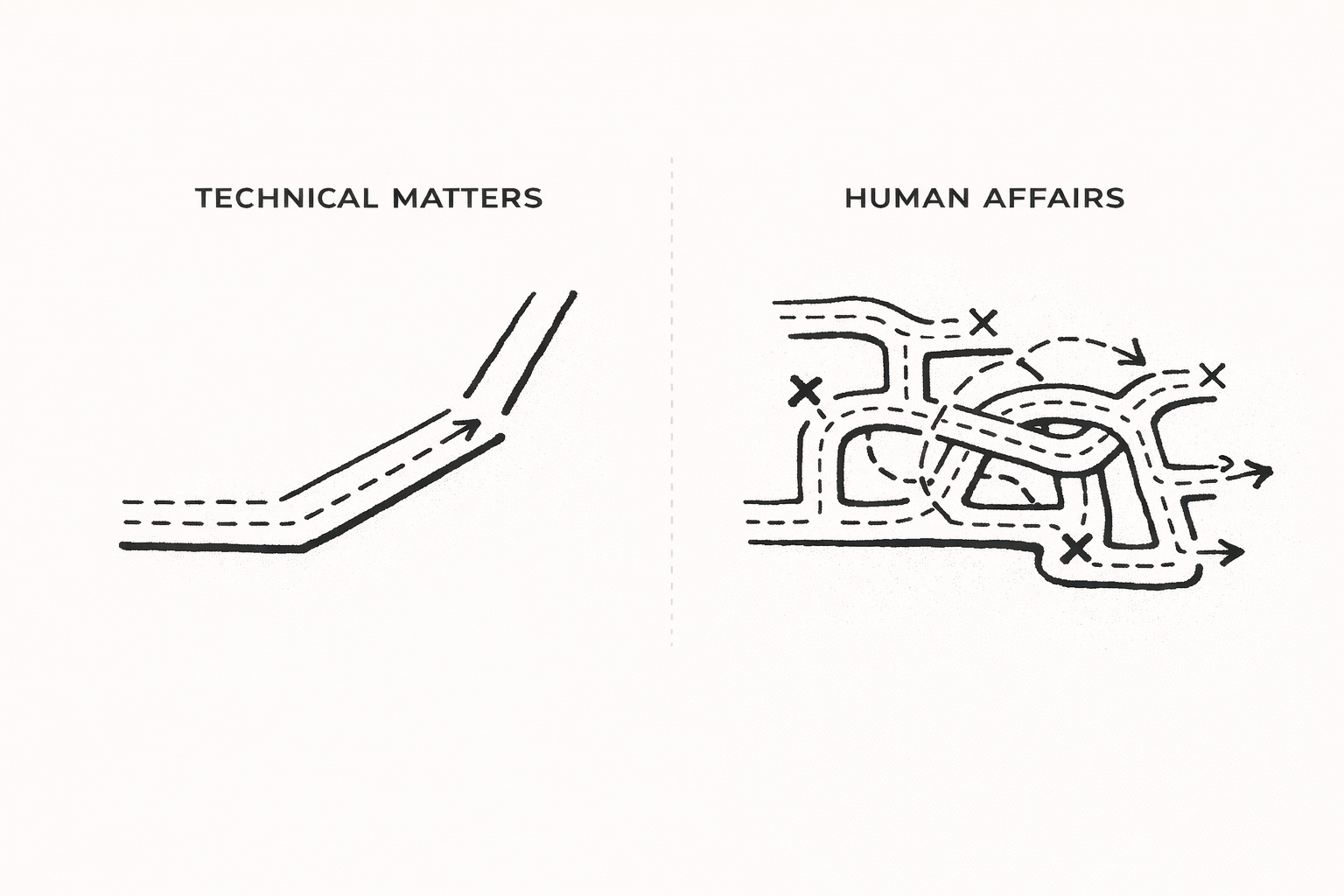
Building a one-person creative enterprise often looks simple from the outside — and is frequently presented online as easy.
The promise of creative independence, autonomy, agency, and a professional life free from 9-5 hours, water cooler gossip and endless meetings.
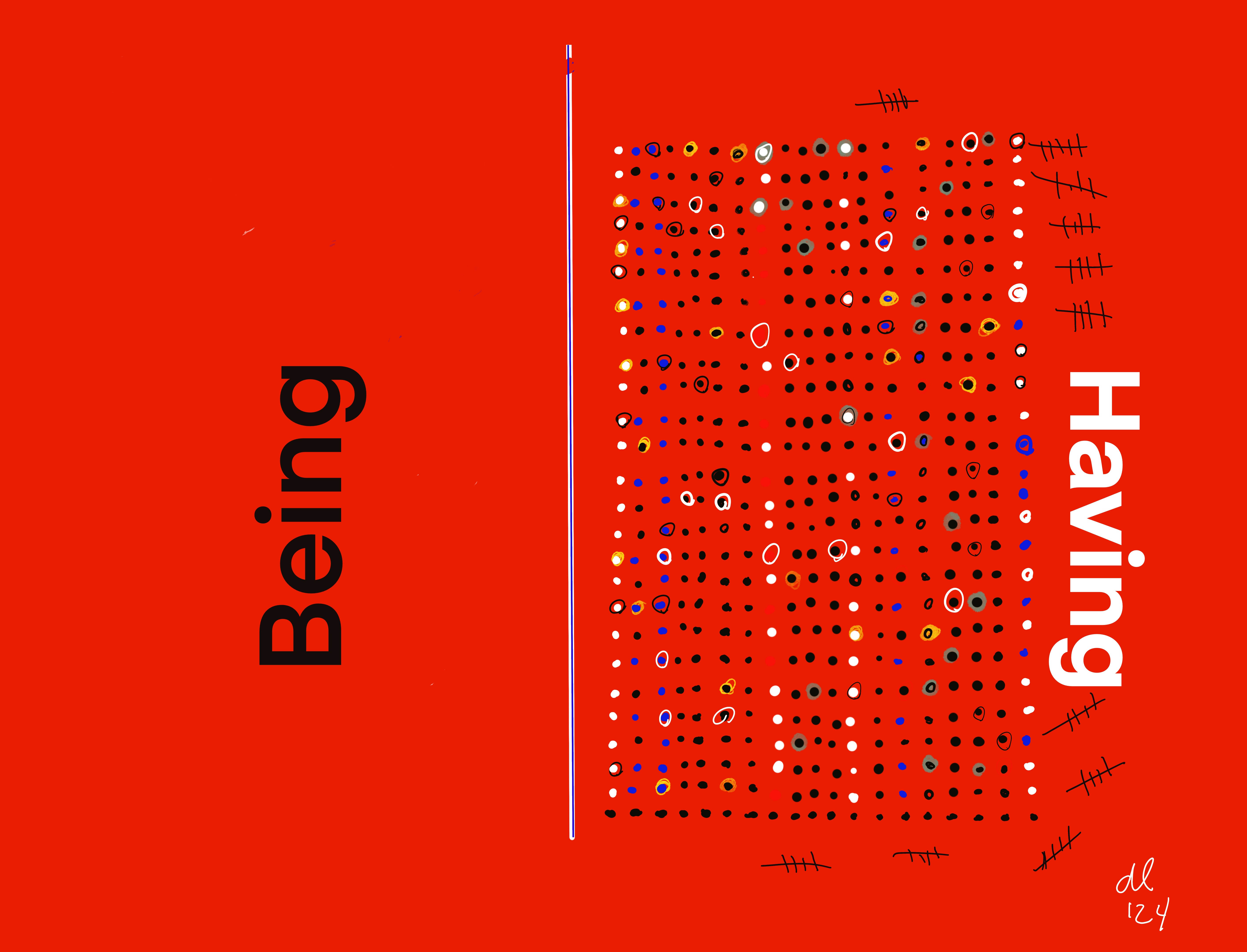
Yet, on the inside, it’s still a world of human affairs (as in the image above on the right): taste, trust, timing, emotion, attention, manipulation, decisions, and so on.
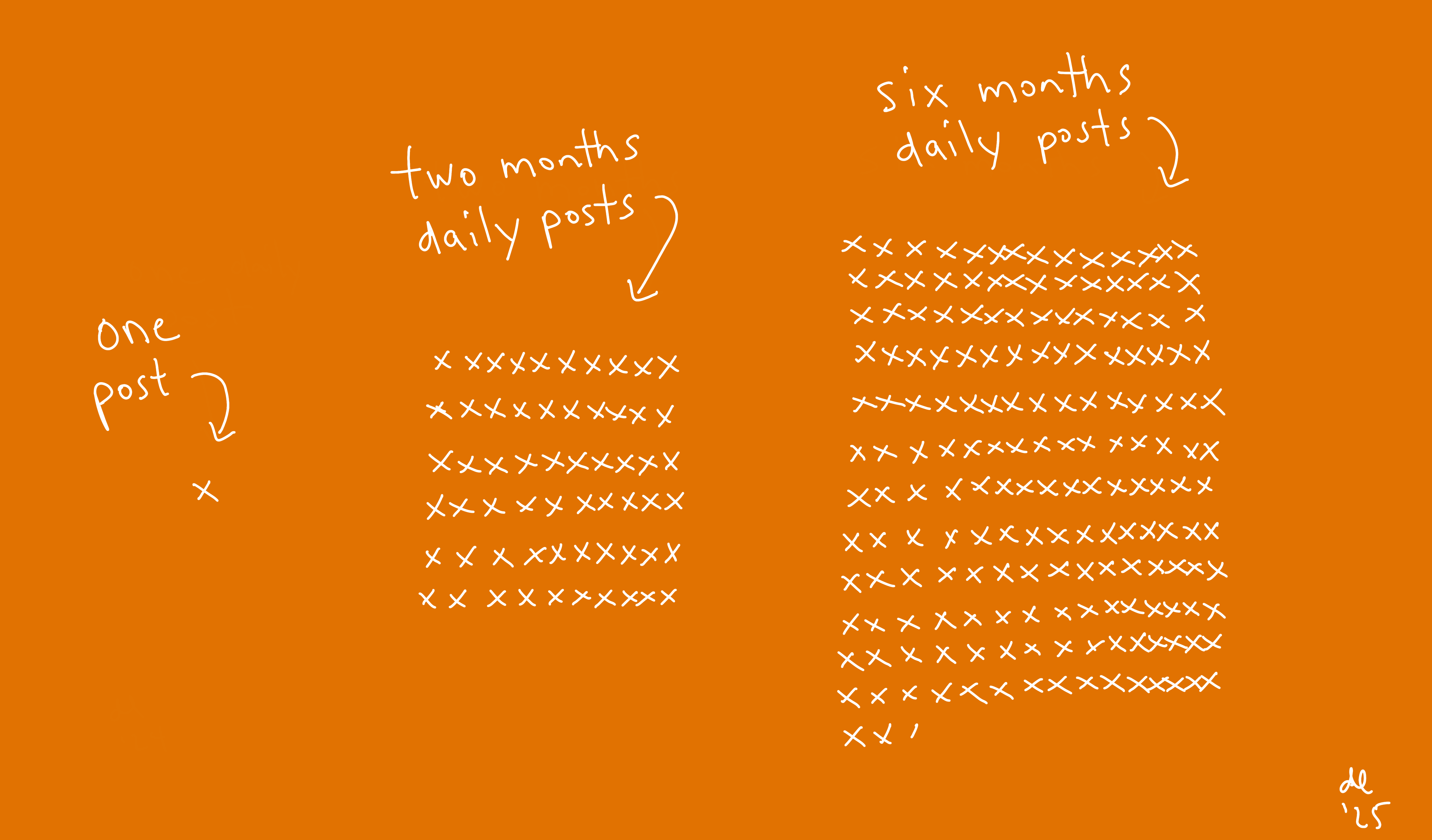
Often, the feedback you receive can be messy, convoluted, and hits dead ends, looping back and retracing steps. Frequently, it rolls on slow proof and long stretches where trusting your work and process matters more than metrics.
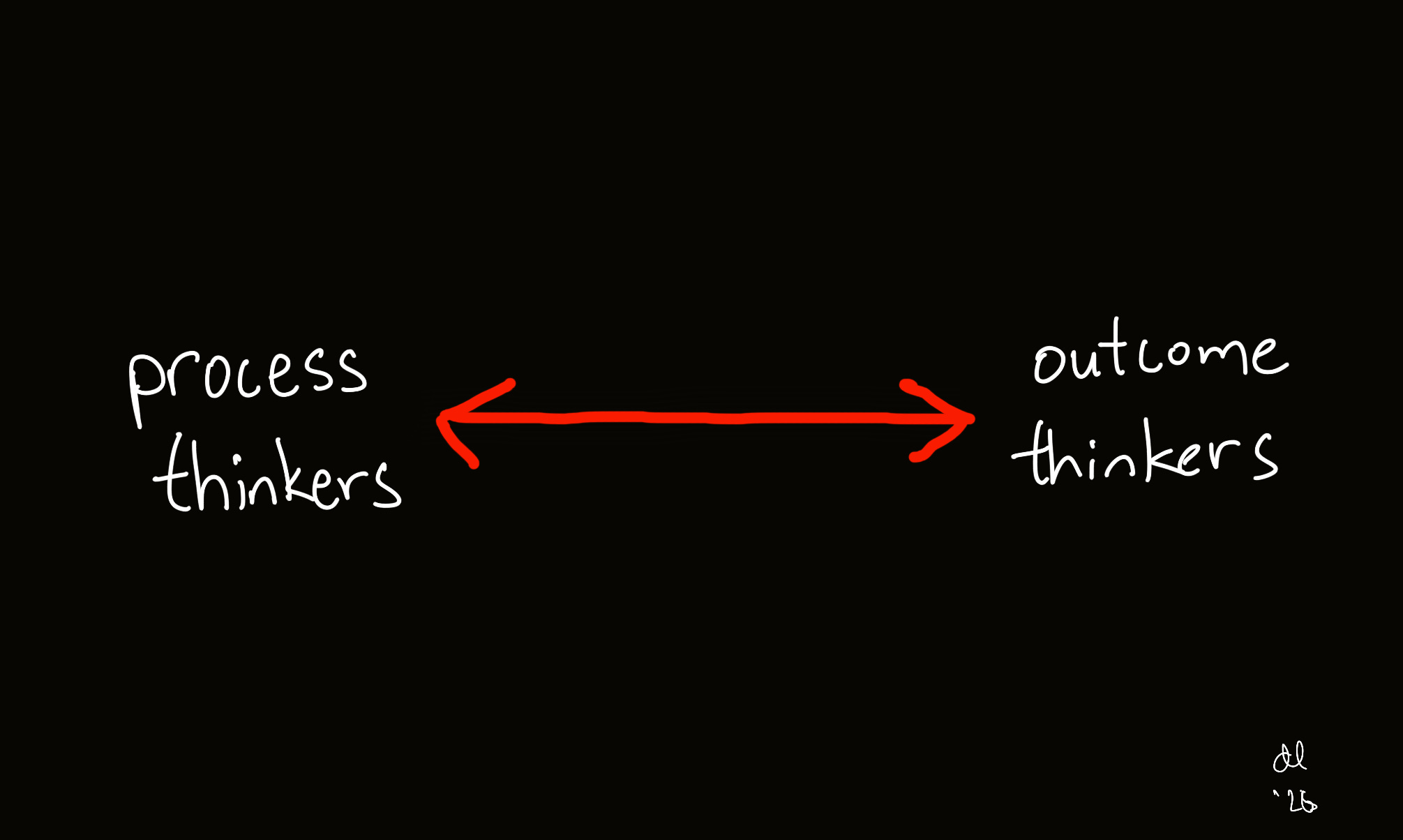
I see a lot of people in creative gigs, trying to run things like it’s engineering. They expect linear progress (like the “Technical Matters” image above). They expect and sometimes even demand clean timelines. They hunt for tactics to erase unease and uncertainty. Constantly searching, analyzing and evaluating.
If not managed carefully and mindfully, this pressure becomes a steady form of self-betrayal and feeds a loss of agency. You realize you're trading creativity for performance and sacrificing autonomy and uniqueness to compliance (with whatever you think the environment rewards).
Almost 4 Years Now (As a Soulpreneur)
In the spring of 2022, I walked away from corporate public sector employment. I set out, with no safety net, no big financial reserve, and no lineup of contracts or clients.
My goal? CEO of my time and energy. Creative pursuits and enterprises. Personal agency and autonomy. More time and flexibility for family.
One of the clear pathways I saw in this work (but not the only path)? — The Creator Economy.
Now, over 3 years into projects connected to The Creator Economy, I’ve found the key isn’t “better tactics.” It’s about leveraging effective ways of thinking and observing, specifically in ways keeping your agency intact while results take the time they need.
The Creator Economy tends to amplify status, comparison, envy, and urgency. It also amplifies one of the most expensive questions in the game: How long should this take?
In technical domains, that question is useful. In human affairs, it distorts thinking and decisions.
For example, in The Creator Economy, time gets treated as the evidence (faster the better, is the sense). Slow feedback becomes a verdict. Emotions drive control systems. Decisions start serving relief from anxiety.
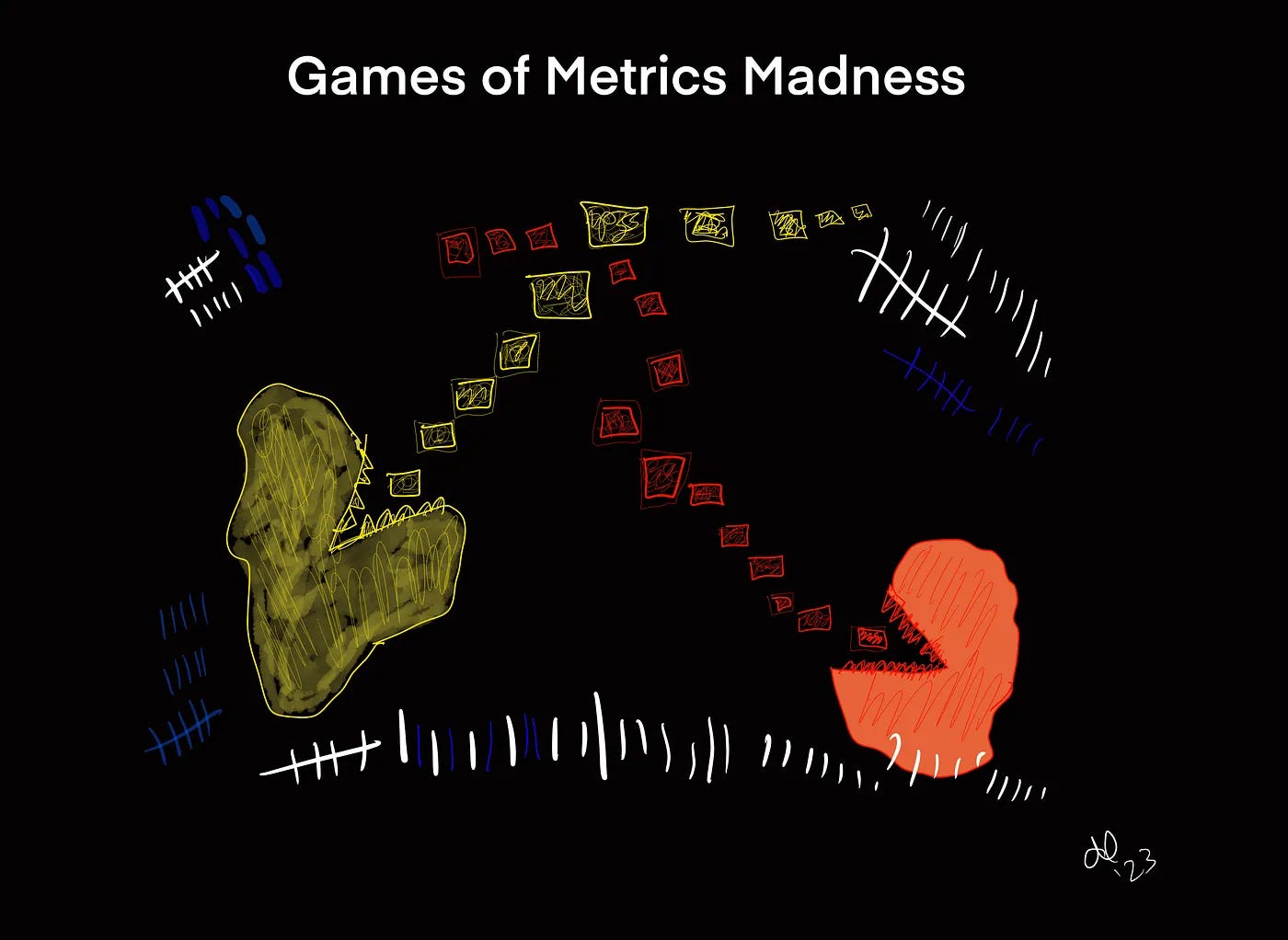
Soulpreneurship — especially in The Creator Economy — is the discipline of keeping your agency when incentives (and platforms) want to rent your identity. Soulpreneurship is about building (and practicing) in public without letting public feedback (e.g. claps, likes, followers, etc.) become your only internal compass.
So here’s a practice to try, to keep this approach. Bird-watching.
Bird-Watching (“What?!” You Say)
Observation before analysis. Looking for patterns. Accumulating observations, behaviours and experiences over time.
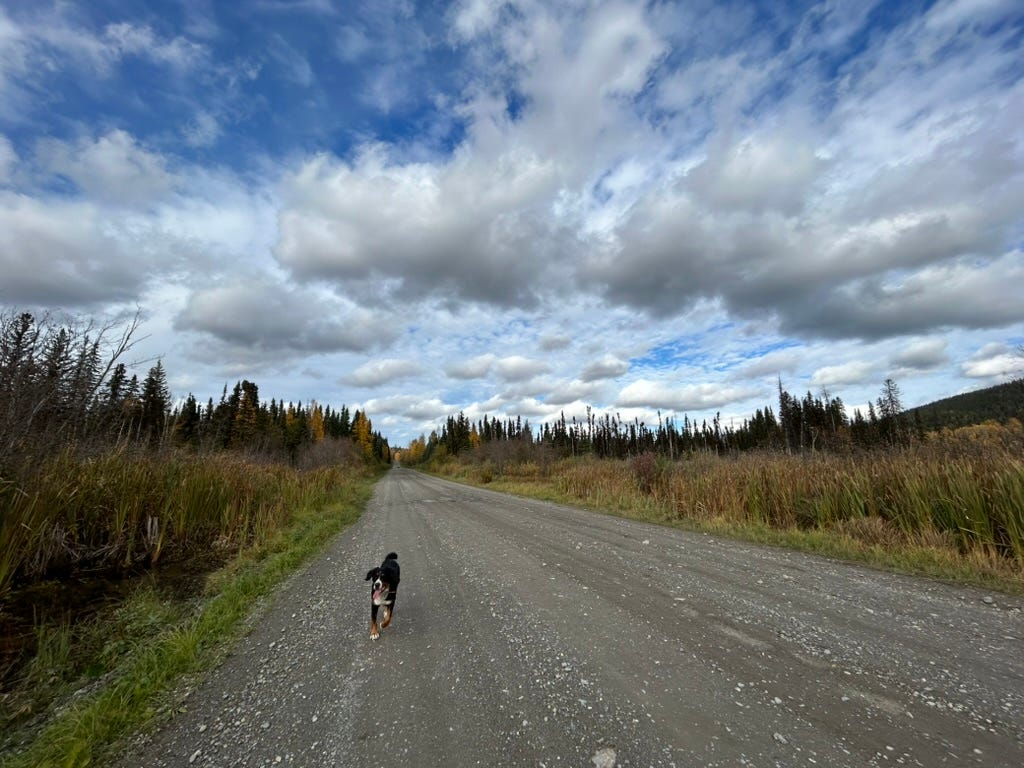
Almost every day, I walk a gravel section of rural road near where we live. It crosses a wetland area near the lake we live beside. In the spring and summer, it’s busy with birds. On many days, dedicated bird watchers set up on the road. Some with cameras and remotes. Others with binoculars.
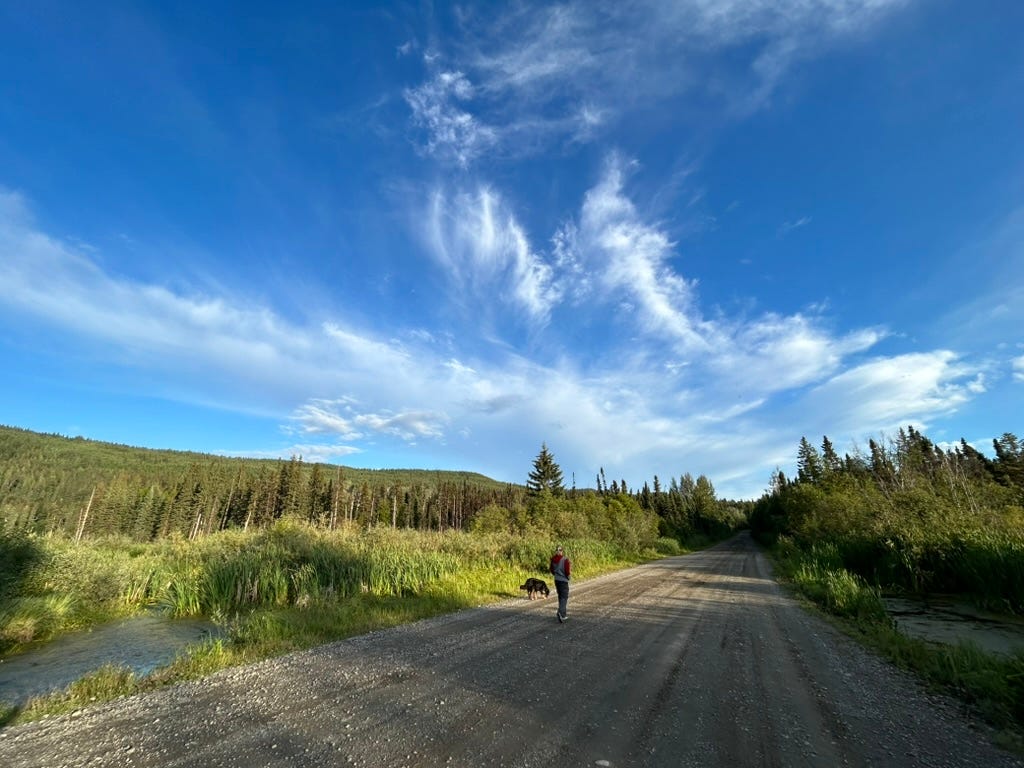
We’ve learned that some pretty rare birds frequent this wetland area.
What the heck does bird watching have to do with soulpreneurship or The Creator Economy?
Bird watchers don’t show up expecting a rare bird to appear on demand. They don’t treat an empty hour as a verdict on how good or bad their birdwatching is. They watch, take notes, and come back.
Over time, they learn patterns: where birds tend to be, when they move, and what changes with weather and seasons.
That’s the stance I’m borrowing for The Creator Economy. More observation, less judgment and verdict-making. Sort of like an anthropologist observing and making field notes.
Keeping Field Notes in The Creator Economy
So many people scroll and react. They treat their reactions as “research.” They let what gets rewarded pull their attention and shape their choices. They copy tactics because it feels safer than uncertainty and experimentation.
Bird watching is different. You stay calm. Pay attention and look for patterns. You keep your identity and emotions largely out of it. You’re not there to judge the birds or their behaviours. You’re there to observe and learn what’s happening.
You’re not there to argue with the birds. You’re there to learn what birds are around and how birds behave.
It’s challenging to be both an actor and an observer at the same time. It’s really tough to engage in thinking about something while also observing the style of that thinking or its patterns.
In the time I’ve spent in The Creator Economy—building in public, running idea labs, and slowly assembling my own creative infrastructure—I’ve noticed something consistently.
Most people don’t study and observe platforms — they analyze and judge them. They ask questions like:
Is Medium dead?
Is it worth posting anymore?
Where is the “best” place to build?
Should I focus on LinkedIn or Substack?
Those questions are fair. The problem is how people try to answer them. A lot of the answers are verdicts. Hot takes. Pronouncements.
Lately, I’ve seen more posts and articles like:
“After 10 years on LinkedIn, I’m leaving.”
Then a list of reasons follows: AI slop, low-quality content, spam, fake engagement, declining reach, etc.
Some of those reasons might be real. That’s not the point. The point is the stance taken, and how.
Most of these posts are written as judgments and land as conclusions. They invite agreement vs. non-agreement — not learning. They highlight the writer/poster's emotions and also trigger emotions in the reader: urgency, cynicism, relief, envy, and fear of being late.
That is a terrible basis for strategy in a one-person business. Here’s why.
Platforms are human systems
Human systems shape your thinking while you use them. If you take in platform commentary as verdicts, you end up making decisions to calm your state—copying what feels safe, quitting in a wave, pivoting for relief.
That’s how the systems affect you. Box Cutter Co. is built on a different move: clear (often slower) thinking before action. So the question is not “Is LinkedIn good or bad?”
The question is: What’s going on over there? What patterns are showing up, what do they reward, and what do they do to me?
That’s observation. And observation helps you keep your agency and autonomy. It turns “platform mood” into observations and information instead. It helps you choose your relationship with a platform rather than getting pulled into someone else’s verdict, emotions and decisions.
That’s the reason for the bird-watching approach.
Using Field Notes in Creative Enterprises
Pick one platform for the week: LinkedIn, Medium, Substack, X, Instagram, YouTube. You are not trying to decide if the platform is “good” or “bad.” You are simply observing to see what is happening and how it affects you.
1. Collect five online “specimens”
Save five items from that platform. Examples:
a popular post
a comment thread
a “here’s why I’m leaving” post
a piece of advice about growth
a piece of content that looks like AI-filler
Pick items that pull your attention or change your mood.
2. Write one sentence: “What is this?”
For each specimen, write one plain sentence describing it. Look to facts. Examples:
“A post warning people to leave LinkedIn because of AI content.”
“A personal story with a lesson and a call to action.”
“A thread promising growth if you post daily.”
No opinions. No rating. Just the facts.
3. Write one sentence: “What is this post trying to do?”
For each specimen, write one sentence about its purpose. Here are some examples:
“It’s trying to sell a course.”
“It’s trying to get agreement.”
“It’s trying to trigger urgency.”
“It’s trying to signal expertise.”
4. Write one line: “What did it do to me?”
Name the effect on your state, such as:
“I feel behind.”
“I started feeling cynical.”
“Now, I want to post right away.”
“Made me want to copy the format.”
“I felt angry and wanted to leave the platform.”
This is important. It’s where you regain agency.
5. Answer three questions
For each specimen, write short notes:
What pattern does it rely on?
(certainty, outrage, fear, status, identity, confession, “one trick,” etc.)
What does it reward?
(attention, agreement, followers, sales, praise, belonging)
What does it skip?
(tradeoffs, time, risk, context, prerequisites)
6. See if you can name one pattern you saw across the five
Sometimes these are hard to identify, but try to find just one. For example:
“Doom posts travel fast.”
“Certainty gets rewarded.”
“People use numbers to sound credible.”
“AI content is changing what gets seen.”
7. Make one decision for the next 7 days
Choose a move, such as:
Refuse: “I won’t build around this pattern.”
Borrow: “I’ll use the useful part in my own voice.”
Redesign: “I’ll make a cleaner version for my work.”
Write one sentence: This week, my rule is: ________.
Examples such as:
“I don’t post to calm anxiety.”
“I don’t copy certainty. I share what I can stand behind.”
“I use LinkedIn for reach and my newsletter for depth.”
8. Ship one small thing
One sentence. One paragraph. One short post. One email. One note. The point is to stay in the work, in your way. Field Notes are not another reason to delay. It’s a way of thinking differently about what you’re doing.
Why this fits Soulpreneurship (and other parts of your life)
Soulpreneurship builds some quiet skills, like staying open to learning without being pushed around. This matters online. It also matters in other parts of your life. So many modern environments run on fast judgments:
workplace politics
family tension
social media
news cycles
group chats
markets
The common mistake is the same: you treat your first reaction as the truth. You treat the first week of data as the whole story. You rush to a conclusion so you can feel settled again.
Taking a bird-watching approach trains a different habit. You can:
notice what is happening.
notice what it does to you.
extend your timeframes.
decide from a steadier place.
And, that’s agency.
It’s also expectation management. You stop demanding fast proof from systems that may need to move slowly. You stop turning normal slowness into a verdict on your talent, or progress, or creativity.
Over time, your Field Notes become an asset. You build your own field guide:
what pulls you off your path
what gets rewarded
what gets ignored
what supports your work
Doing something like this can reduce panic, comparison envy, constant pivots, or frustration-driven quits. It helps you choose how you use each platform. It helps you keep your voice. It helps keep you… you (and that’s the soul part).
As an environmentalist, I'm familiar with the birdwatching community. Observations are their primary intent. Patience is their practice. What they excel at is knowing their habitat. I think this is at the heart of David's message. Feedback tends to be reactive, not observational. Step back from the platform and observe your place in the habitat. Then make decisions based on independent work.