
Writing Isn’t Hard Because You Don’t Know How (The Darn Hard Part Is Self-Exposure)
Box Cutter Co. Free Issue No. 95

“Just be authentic” might be the Internet’s most hollow instruction.
So much “Be Authentic” advice reads like paint-by-numbers or IKEA furniture instructions. Authenticity has become about filling in a template, producing content without authorship, or as Christopher Lochhead🏴☠️ calls it “content-less content.”
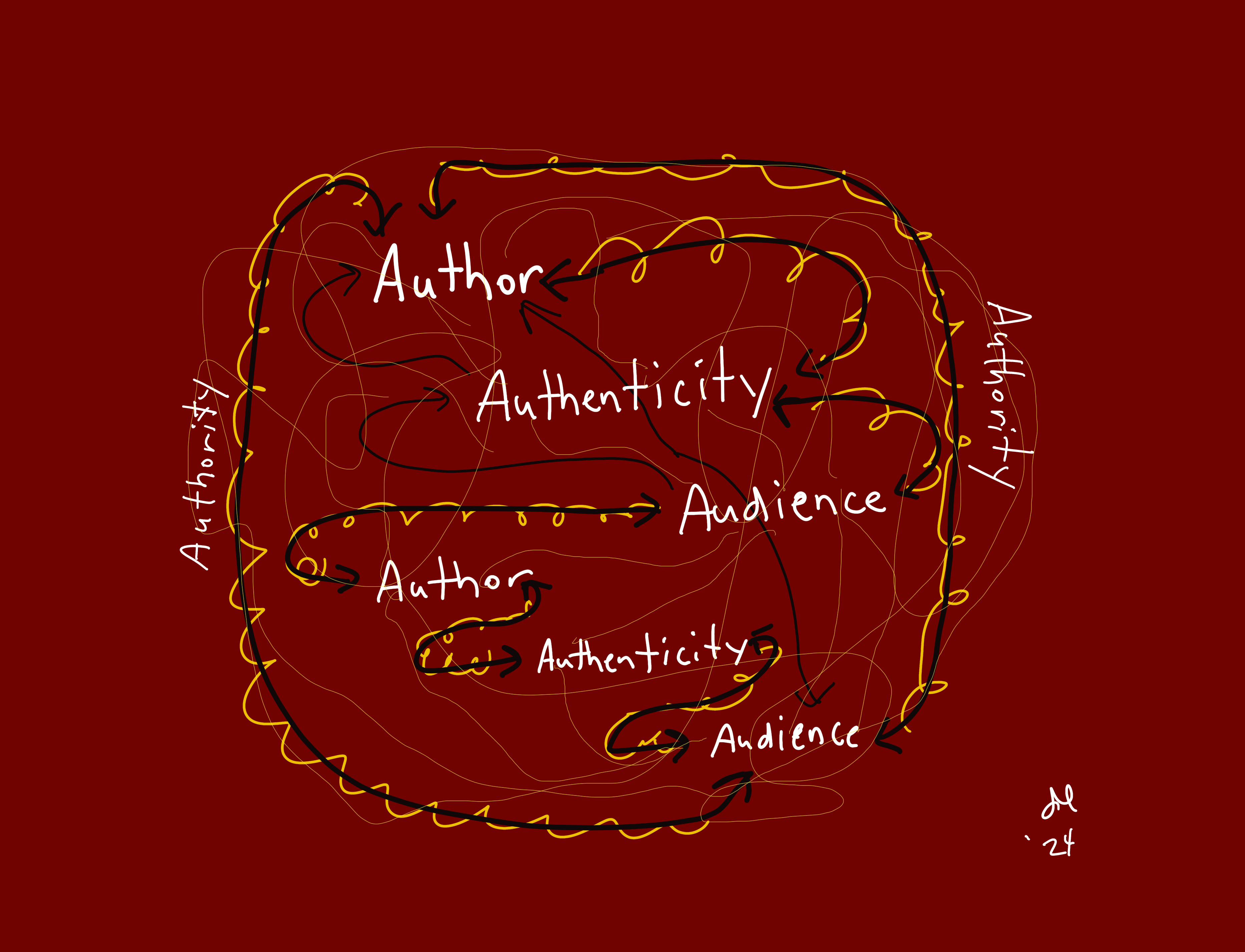
The roots of the word “authenticity” come from the Greek authentēs, meaning one who acts on one’s own authority; principal; doer; originator.
Thus, being authentic in your writing means putting words to your thinking — to your values, motives, and limits. All of this is about self-knowledge and your relationship with your self.
To write generally means being in a room by yourself with all the various corners, caverns and thoughts in your mind. Writing generally means moving through all the many thoughts, many of which conspire to move you away from writing.
What will they think?
Then there’s the move from writing to publishing.
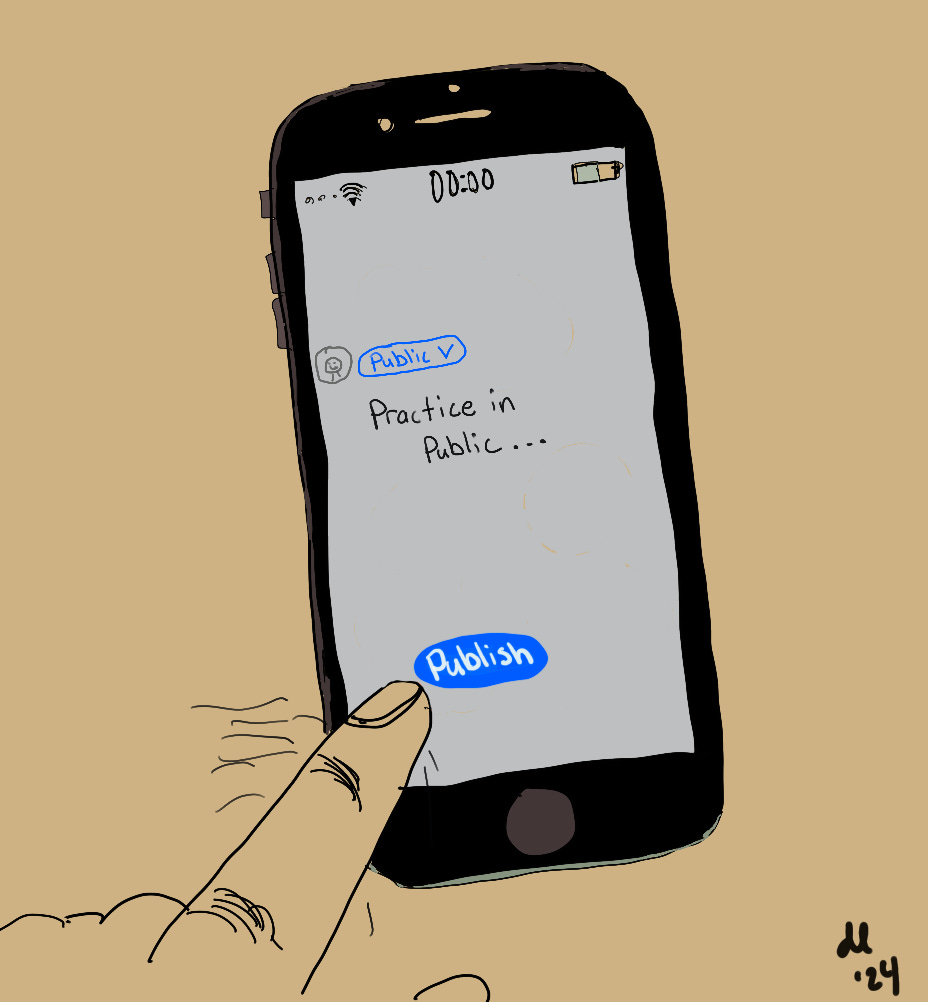
The word “publish” comes from the Latin word publicāre, meaning “make public, show to the people.” The move from writing to publishing is where one’s thoughts move from private to public.
This is one of the darn hard parts.
This Hard Part Has a Name…
Self-exposure.
Writing exposes you to yourself first. Good writing often has less to do with technique alone and much more to do with inner conviction and self-knowledge.
And, by ‘good’ writing — I don’t mean the grammatically correct, red-pen laden, stuffy classroom “good writing.”
I mean good writing that makes other people move. Instigate feelings and emotions in a reader. Creates heat and surprise and learning and action.
However, if you sit down to write and discover you don’t have a clear opinion. That you only have some swimming senses of things. Some meandering thoughts.
Or, maybe some borrowed phrases. Some rented thinking. Maybe it’s a half-belief absorbed from a podcast, a social media post, a boss, a parent, a culture, a religious idiom, or a platform.
This is where writing can do some hard slogging for you. Moving from wandering thoughts to thought-full words.
Sitting down to write often forces sticky questions, like:
What am I thinking here? Why?
What do I mean here? Why?
Do I actually mean this?
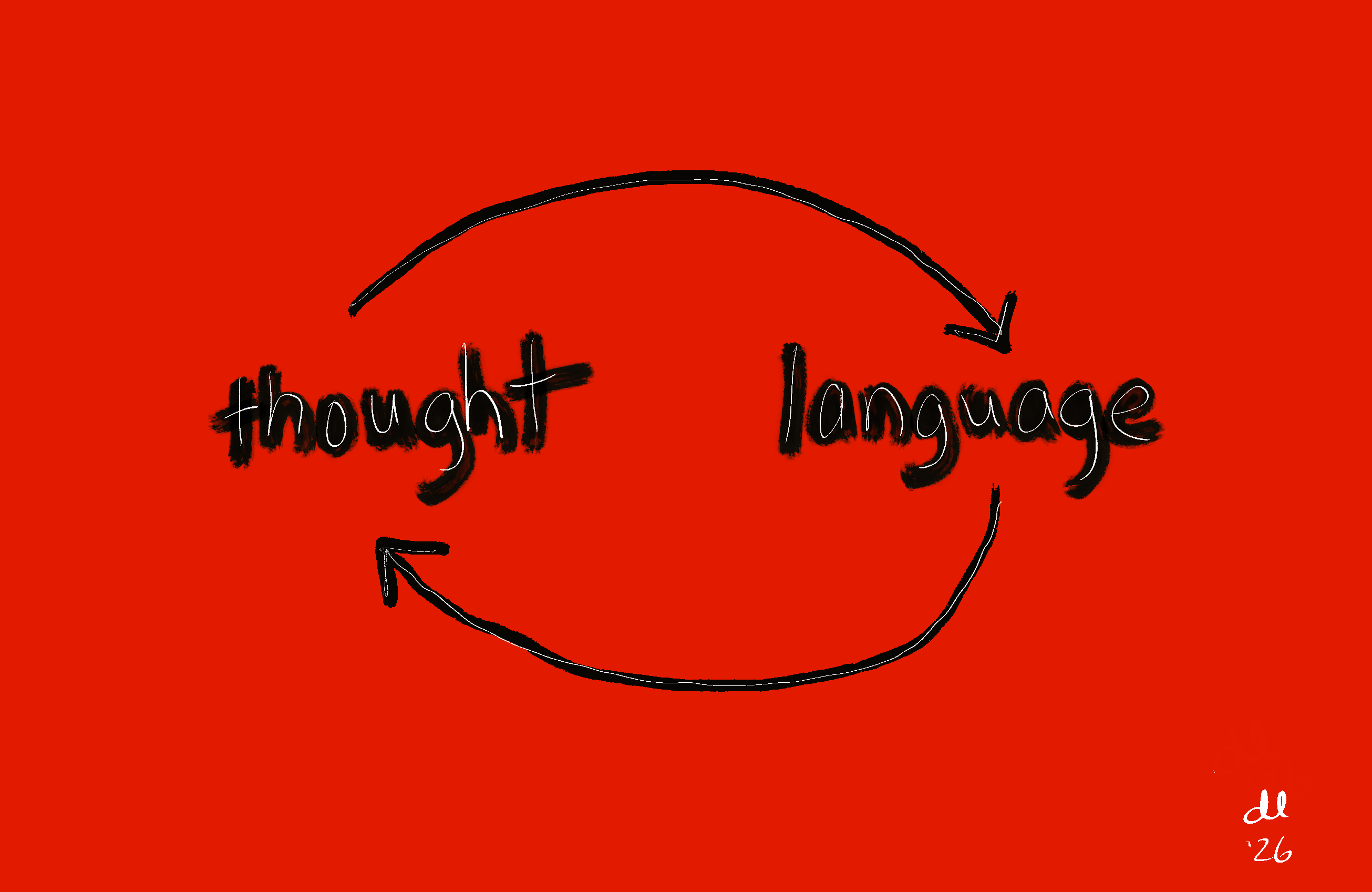
As we write, we put our thoughts on paper (or the screen). We transmute thoughts to words (like an octopus transmutes what it touches to smell).
And, vice versa, words generate thoughts. It’s a self-supporting cycle.
Publishing adds a second layer. An often scary and complicated one. Our thoughts to words — plus our words to thoughts — become public.
What will they think?
A sentence creates consequences. Someone might disagree, or maybe agree vehemently. Someone might misunderstand. Many might ignore it. Someone might quote it back later.
This is the exposure part — and it can be nerve-wracking. It can also be freeing. Exhilarating. Terrifying.
So a lot of people learn coping strategies to avoid this ‘exposure’ anxiety. Many do this by collecting more “how-to…” Buy another famous writer “On writing…” book. Purchase and enrol in another course. Read more. Watch more. Tweak the draft. Scroll some more.
Wait for confidence and certainty to arrive. But clear confidence rarely arrives. Certainty remains fleeting.
Clarity shows up through contact. With your own mind. On the page. And over time, clarity emerges when you push “post” or “publish.”
Added to this, the more you engage in writing (private or public) and continue transmuting thoughts into words — you develop an authentic voice and a genuine voice that is yours.
But, beware of The Authenticity Trap.
The Authenticity Trap
In this age of rapidly expanding Gen AI… many folks are pushing authenticity.
Audiences say they want real people. Platforms like Medium suggest they reward personal stories.
Various creatives talk about “showing up as yourself.” But then the incentives start shaping what “yourself” is allowed to, and supposed to, look like, like the classic: “Write for your audience.”
(Which, in many ways, is the exact opposite of “authentic”… because it’s about doing what you think others want to hear, read, etc.).
And, this is where so much “Be Authentic” online advice lands hollow. It treats authenticity like a flippable switch. It skips the reality that many people don’t yet know what they think. Or, why they think it. Or, what might put those thoughts in their head in the first place?
Maybe it was family of origin? Maybe it was church? Maybe it was school? Maybe it was too many Hollywood-produced movies?
Most folks aren’t entirely clear where their beliefs came from. They don’t know which parts are theirs and which parts are borrowed. Without building this foundation, “authenticity” becomes a style choice, a template to follow.
Self-knowledge is where most where people stall and sputter in writing — And… this is where “how to…” advice falls flat.
The Writing Prerequisite Few Want to Pay For
Self-knowledge is slow. It feels exposing (like the nightmare of showing up in public naked). It feels messy, revealing, and embarrassing. It creates responsibility and accountability. (Yikes! and Yuck!)
Yet, self-knowledge also changes everything — especially if it becomes a life-long pursuit and practice.
When you know what you believe, writing gets cleaner, public speaking gets easier, and communication in general becomes simpler and more consistent.
When you’re clearer about what you value and why, writing and other communication forms get sharper.
When you have more clarity about what you want, writing stops wandering. Or, at least, what you write in preparation for publishing, has steadier directions and coordinates.
When you have a better understanding of what you fear, and why, you will procrastinate less on applying bum to seat and pen to paper (or fingers to keys) —and write more.
This is why writing feels hard for many people with plenty of intelligence and plenty of tools. The page becomes a mirror. Mirrors don’t flatter. They show you what’s there. Authentically. Genuinely.
It’s there where you will find entrances to agency and the ability to author authority. You become an authority on you.
Agency means your work isn’t a reaction to trends. Agency means your voice isn’t rented from a platform or well-known creator. Agency means you can see, or maybe even create, the incentives and then decide how close you want to stand to them.
A person with agency and authority can use AI without disappearing inside it. A person without agency (or avoiding it) uses AI to sneak past the mirror.
Being an Author with some Authority
Publishing online has changed many incentives.
It’s far faster than publishing used to be (e.g., before the Internet). It’s louder, but also quieter, because so much published writing is simply noise upon noise upon noise.
Gen AI has added all sorts of twists. Now, creating content is cheap. Everyone can generate words. This doesn’t make writing irrelevant, but it sure raises the bar on authorship — because scarcity is no longer published output.
The rare part is human beings who can say something real in their own words and stand behind it.
For example, I was reading DAN KOE recently, and he predicted that the future will reward agency, taste, perspective, and sense-making. Those aren’t “skills” you download or find in a template or AI prompt. They come from being the kind of person who can choose, filter, frame, decide, and commit.
Writing is one of the cleanest places to practice that. Both self-writing for just you, and writing that is published… e.g., made public.
The Internet and Gen AI have endless “how to…” tips. However, only you can practice the “being” part of this. For example, shifting some AI “how to…” template, such as “How to write authentically…”
Into: Being an authentic writer. Or, Being someone who writes authentically.
What’s ‘authentic’ to you?
Only you can author that reality.
A Box Cutter Co. Practice
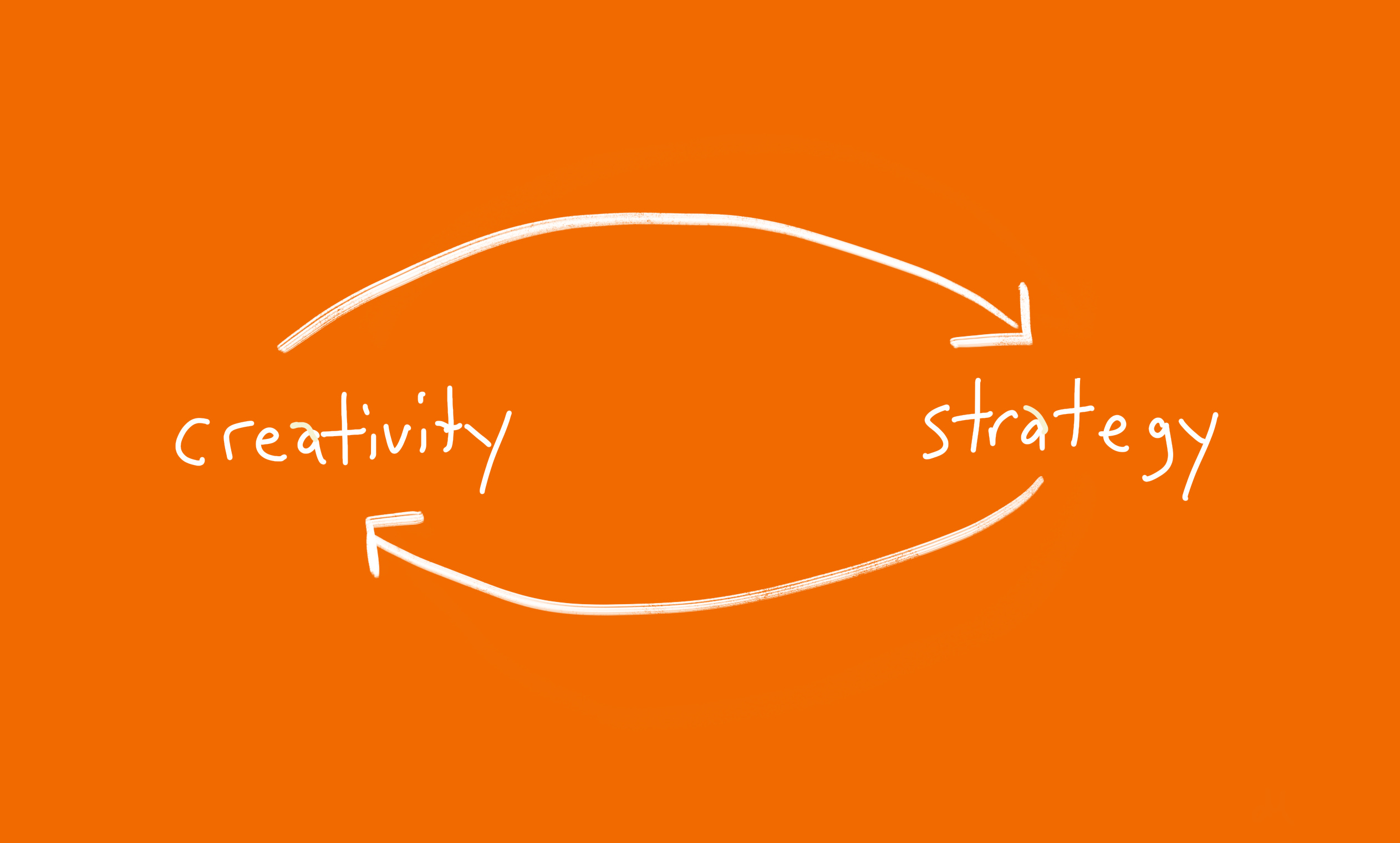
Authenticity doesn’t come from trying to sound authentic. It comes from knowing what’s accurate for you, then supporting your writing to reflect that.
Here are two linked practices I’ve leveraged in recent years. One private. One public.
Practice 1: The private page (10 minutes, 3x/week)
Open a Learning Journal. No audience. No performance. Just seeking clarity. Write short answers to the folling:
What’s taking up space in my head right now?
What am I feeling, exactly?
(use plain words: envy, dread, relief, irritation, excitement)What story am I telling myself?
(“I’m late.” “This should be easier.” “Everyone else has it figured out.”)What do I want?
(not what looks impressive—what you want)One sentence I believe right now: [______]
That last line is the start of authoring your own authority.
Step 2: The idea lab (publish small things)
A lot of people publish to perform. I’ve done this. Now, after four years as CEO of my time and energy and building independent creative businesses… I publish to think.
Social media is my idea and thinking lab. A place to test my thinking, ideas, a sentence, and so on.
At least once a week, take an idea or a line from your Learning Journal and make it public:
a short post
a paragraph
a sticky question
a claim you’re playing around with
Your goal isn’t reach. Your goal is authoring authority. Yours’
The Warning
When you feel the urge to hide behind a template, pause and ask:
What am I trying to achieve with this?
Approval? Relief? Proof? Belonging? Metrics?
Write the answer in your Learning Journal.
Do this for a month, and you’ll have two assets:
A Learning Journal full of patterns (what you avoid, what you want, what keeps repeating)
A trail of published thoughts, ideas, sentences, etc. that sound like you because they came from you
If you want structure for this, we (Humanity Academy) cover it in Learning Journals 101 (three modules) for people who want their writing (and thinking) to feel like theirs again.